




The Hidden Costs of Back-to-School Nobody Talks About Back-to-school spending has a way of looking manageable — right up until everything starts hitting at once. You budget for notebooks, pencils, and folders. Maybe you even plan ahead for a few new clothes. But then the extra expenses start showing up, and suddenly the total is a lot higher than you expected. Do any of these sound familiar? The school supply list was $40 more than you expected. Your kid "needs" to be in one more activity, and it comes with a fee you didn't see coming. You bought new shoes, a backpack, and a lunchbox in the same week and didn't plan for any of it. You're not alone! Back-to-school season sneaks up on almost every family because it's rarely one big expense — it's a dozen smaller ones landing in the same two weeks. And most of them aren't actually surprises. They're just expenses we forgot to plan for. The good news? With a few simple changes, you can keep them from throwing off your entire month. Hidden Cost #1: The School Supply List Isn't the Real Total The list from school is rarely the whole story. There are the shoes that finally gave out over summer, the backpack that needs to be replaced, the specific binder the teacher wants, the headphones, water bottle, gym clothes, calculator, or other extras that never made it onto your original budget. None of those purchases are necessarily bad. They're just easy to miss when you're budgeting based only on the printed list. Pro Tip: Before buying everything new, take inventory of what you already have. Then check Facebook Marketplace, consignment shops, Ross, Marshalls, or other discount stores for some of the bigger-ticket items. Backpacks and shoes are going to take a beating either way, so there may be no reason to pay full price. And while you're at it, make sure that you're tracking what you actually spent this year (You can do this manually, or though a budgeting app like Every Dollar or YNAB) .That number will be incredibly helpful later. Hidden Cost #2: Activity Fees Show Up All at Once Back-to-school isn't just about school supplies.It's also sports, band, clubs, before-and-after-school care, uniforms, equipment, registration fees, and all the other activities that tend to kick off at the same time. One fee might not hurt your budget much. But when four or five of them hit in the same month, that's when things get uncomfortable. Pro Tip: Before paying the full amount ask if they offer sibling discounts, early-registration discounts, or financial-assistance options. Most won't advertise it, but a lot of them have one if you just ask. You may be surprised by what's available! And if your kids regularly participate in activities, consider creating a separate Kids Activities category in your monthly budget. Putting even a little money there every month can keep September from becoming a financial scramble. Hidden Cost #3: New Schedules Mean New Spending This one is especially easy to miss. When the school year starts, your family's entire routine changes. Suddenly you're packing lunches, driving to practices, picking kids up, helping with homework, and trying to get dinner on the table in between everything else. And when life gets busier, convenience gets more expensive. A drive-thru breakfast here. Pizza after practice there. Extra gas. Forgotten lunch supplies. A last-minute Amazon order because someone needs something for school tomorrow. It's not necessarily that you're spending badly. Sometimes your family's routine changed, but your spending plan didn't. Take 20 minutes on Sunday to look at the week ahead and think about which nights are going to be especially busy, when you’ll be most tempted to grab takeout, what breakfasts or lunches you can prep ahead of time, and whether there are any school events or activities that will cost money that week. That small habit can prevent a surprising amount of last-minute spending. Pro Tip: Spend twenty minutes on Sunday prepping grab-and-go breakfasts and lunches for the week.It's the single fastest way to keep a rushed morning from turning into a drive-thru run. This step alone could save your family a significant amount of money! All it costs is taking the time to plan and prepare. The Real Fix: A Back-to-School Fund, Not a Back-to-School Scramble Here's the good news: You probably already have most of the information you need to make next year's back-to-school season easier. This year's spending can become next year's plan. 1. Find your real back-to-school number. Add up what you actually spent on things like: School supplies Clothes and shoes Backpacks and lunchboxes Activity fees Sports or music equipment School-related technology Childcare changes Other back-to-school extras Don't worry if the number is higher than you expected. You can't build a good plan until you know what you're actually planning for. 2. Start a dedicated fund for next year. Once you know your real number, divide it by 12. If back-to-school cost your family $600 this year, saving $50 a month means the money is already waiting for you when August rolls around. That's the power of a sinking fund. The expense hasn't disappeared. The emergency has. 3. Give this month's remaining expenses their own category. If you still have activity fees or school expenses coming, don't bury them inside "miscellaneous." Give them their own line in your budget. When every dollar has a job, unexpected expenses become much easier to manage. Imagine Next August Looking Different: The school supply list comes home. Someone needs new shoes. Soccer registration opens. And instead of wondering where the money is going to come from, you open your back-to-school fund and realize…T he money is already there. That's what a good financial plan is supposed to do! Not eliminate every expense. Not make life perfectly predictable. But help you prepare for predictable expenses so they stop feeling like emergencies. If back-to-school — or any other "surprise" expense — seems to catch you off guard every year, you don't have to keep figuring it out alone. I'd love to gift you a complimentary Win With Money Strategy Call. We'll look at where things stand, identify what's creating the most pressure, and you'll leave with at least one concrete next step you can take with your money. Book your free Win With Money Strategy Call here: https://calendly.com/andy-yoder10/win-with-money

3 Signs You're Drifting Financially This Summer (And the 60-Minute Reset That Can Get You Back on Track) Summer is supposed to be a season of memories. Family vacations. Cookouts. Weekend getaways. Kids home from school. Ice cream runs that somehow turn into a $75 trip to Target. Before you know it, your carefully planned budget has taken a back seat. Then one day you check your bank account and think: "How did we get here?" If that sounds familiar, you're not alone. Every summer, I see families with great financial intentions slowly drift away from the goals they set back in January—not because they're irresponsible, but because life gets busy. The encouraging news? Drifting isn't failing. It doesn't take months to get back on track. In fact, you can reset your financial direction in about an hour. Why Summer Is So Hard on Your Budget Unlike the predictable routines of the school year, summer brings constant change. Vacations. Graduation parties. Home improvement projects. Eating out more often. Kids' activities. Long weekends. None of these are necessarily bad. In fact, many are worth spending money on. The problem isn't enjoying summer. The problem is when intentional spending quietly becomes reactive spending. That's when financial drift begins. Sign #1: You Haven't Looked at Your Budget in Weeks A budget isn't just something you create at the beginning of the year. It's a roadmap. Imagine taking a road trip, setting your GPS once, and never looking at it again. Eventually, you'll end up somewhere—but probably not where you intended. The same thing happens with your money. Ask yourself: Do I know where my money went last month? Have we adjusted our budget for summer expenses? Are we telling our money where to go before we spend it? If you answered "no" to any of those, that's your first sign it's time for a reset. Sign #2: You're Swiping First and Thinking Later Summer spending has a way of feeling harmless. "It's only dinner." "The kids deserve it." "We'll make it up next month." One purchase isn't usually the problem. It's when those small, unplanned purchases become the norm. The result? You start feeling like your paycheck disappears before you know where it went. That's financial drift. Sign #3: You Stopped Talking About Money This one is especially important for married couples. When life gets busy, money conversations are often the first thing to disappear. Instead of planning together, you're simply reacting. Bills get paid. Cards get swiped. Life keeps moving. But no one is steering. Healthy finances require regular conversations—not because something is wrong, but because your goals matter. Even a 15-minute budget meeting each week can completely change the direction of your finances. The 60-Minute Financial Reset You don't need an entire weekend to fix months of drift. Set aside one uninterrupted hour and work through these four steps. 1. Look Back Review the last few months of spending. Not to feel guilty. To get honest. Where did your money actually go? What surprised you? What went well? 2. Update Your Budget Your January budget probably doesn't fit your July reality. Adjust it. Plan for vacations, back-to-school shopping, and anything else coming over the next few months. A realistic budget is always better than a perfect one. 3. Revisit Your Goals Ask yourself what financial goal matters most right now, what you want to accomplish before the end of the year, and what's one change you can make this month. Pick one goal and make meaningful progress. 4. Put the Next Check-In on Your Calendar Don't wait until January to evaluate your finances again. Schedule another one-hour check-in next month. Small course corrections prevent major financial detours. Don't Let a Few Months Become a Lost Year The families who make the most progress aren't perfect. They're intentional. When they notice drift, they make adjustments early instead of waiting until things become overwhelming. The rest of this year can still be your strongest financial season. But it starts with taking an honest look at where you are today. You Don't Have to Do It Alone Sometimes the hardest part isn't knowing what to do—it's knowing where to start. That's where coaching can make all the difference. During a free strategy session, we'll take a clear look at your current financial picture, identify what's keeping you from your goals, and build a practical plan to help you move forward with confidence. You don't need to wait until January for a fresh start. Take 60 minutes to reset today—and if you'd like a guide to help you through the process, I'd love to help. Schedule your free strategy session, and let's get you back on track.

Feeling squeezed by summer expenses? Discover 5 proven ways to free up cash, create extra income, and enjoy summer without taking on debt or financial stress.

If you’re like most people, tax season brings one big question: “What should I do with my tax refund?” For some, it feels like a bonus. For others, it’s already mentally spent before it even hits the account. But here’s something most people don’t think about: A tax refund isn’t free money—it’s your money. It’s money you overpaid throughout the year. In other words… you may have just given the government an interest-free loan for 12 months. Let’s talk about how to handle that wisely—and how to think differently moving forward. Step 1: First—Know What Your Refund Actually Means Before you decide what to do with your refund, it’s important to understand what it is . A refund simply means: You paid more in taxes than you needed to The IRS is now giving that money back Now—if you’re getting a refund, that’s not bad. But it’s worth asking: “Would I rather have had this money throughout the year instead?” For many people, that money could have: Covered monthly expenses Helped avoid credit card use Reduced financial stress Step 2: Talk to a Professional (If Needed) This is where my heart really comes in. Not everyone needs to figure this out alone. If your taxes feel confusing, overwhelming, or you’re unsure how to adjust things moving forward, it may be time to: Talk to an accountant or tax professional A good professional can help you: Adjust your withholdings correctly Avoid overpaying (or underpaying) Make a plan that fits your specific situation And if you don’t have someone you trust—I can help connect you with the right people. Step 3: Don’t Let Your Refund Disappear This is the biggest mistake I see. People have good intentions… but without a plan, the refund gets: Slowly spent Absorbed into everyday life Gone within a few weeks And then nothing really changes. That’s why this moment matters. Your refund is an opportunity—not just money. Step 4: Use This Simple Plan for Your Refund Here’s a straightforward, proven way to use your refund intentionally: 1. Catch Up (If Needed) If you’re behind on bills or feel like you’re drowning, use part of your refund to stabilize things. 2. Start or Build Your Emergency Fund If you don’t have $1,000 saved yet, this is a great place to start. This step alone can: Prevent future debt Reduce stress immediately 3. Attack Debt This is where things start to change. Putting a lump sum toward your smallest debt can: Create momentum Give you a quick win Build confidence 4. Plan—Don’t Just Spend If you do want to enjoy part of your refund—that’s okay. Just decide ahead of time : How much you’ll spend What it’s going toward That way, you stay in control. Step 5: Adjust Moving Forward (This Is Key) This is where most people miss it. If you received a large refund, it’s worth asking: “Should I adjust my withholdings so I’m not overpaying this year?” Because again—why give the government an interest-free loan? Now, if you prefer getting a refund as a form of forced savings, that’s okay. But the key is being intentional , not accidental. The Bigger Picture Your tax refund isn’t just about this moment. It’s about: Creating a plan Gaining clarity Taking control of your money And most people don’t need more income—they need a better plan for the money they already have. You Don’t Have to Guess What to Do Next If you’re not sure: How to use your refund Whether to adjust your withholdings Or how to turn this into real financial progress I’d love to help. 👉 I gift you a complimentary coaching session where we’ll: Look at your full financial picture Create a clear plan for your money Help you move forward with confidence Book your free session here: https://calendly.com/andy-yoder10/win-with-money You don’t have to let this opportunity pass by. Let’s make a plan before the money disappears. — Andy Yoder Ramsey Preferred Financial Coach Yoder Financial Coaching
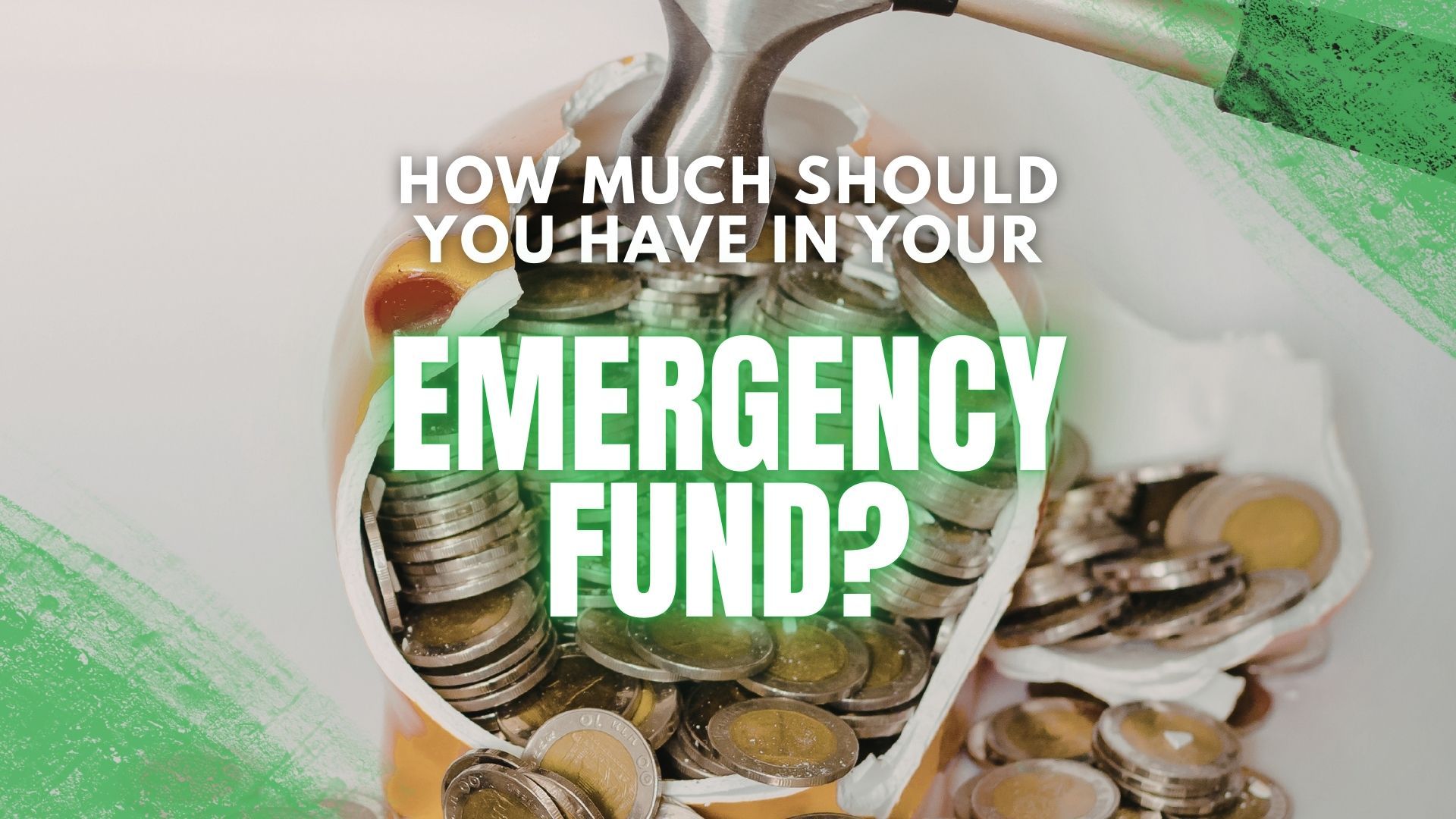
Learn how much money you should have in your emergency fund. Discover the difference between a $1,000 starter fund and a fully funded 3–6 month safety net.

Struggling with debt or living paycheck to paycheck? Discover the 5 biggest money mistakes keeping you stuck—and simple steps to finally break free.

Feeling stressed about money? Learn the proven financial habits Andy Yoder teaches clients to build a clear plan, reduce stress, and win with money in 2026.

Discover simple, practical ways to enjoy Christmas without overspending. Learn how to budget, avoid debt, and start the new year with peace and confidence.

Learn how to strengthen your marriage by getting on the same page with your finances. Discover practical steps to reduce money stress, build trust, and grow closer as a couple.

Learn how to get out of debt fast with proven Ramsey Solutions strategies—budgeting, the debt snowball, emergency funds, and more. Start your journey to financial freedom today!